

Why the tactile experience of physical books and the deliberate pacing of long-form journalism are making a defiant comeback against algorithmic feeds. A case for the paragraph as a unit of resistance.
Contents
The Attention Economy Has a Competitor
For the past decade, every serious thinker about media and technology has framed the story as a battle between depth and velocity — long-form content losing ground to the fragmentary, the algorithmic, the optimized-for-scroll.
The data appeared to confirm this. Time on page metrics declined. Newsletters went read-but-not-finished. The paragraph, that fundamental unit of developed thought, seemed endangered — replaced by the bullet point, the thread, the caption.
And yet. Bookshop.org reports consistent growth since its 2019 founding. Substack subscriber counts suggest audiences will pay for sustained writing when they trust the voice. Reading groups, whether virtual or in-person, continue to proliferate. Something is happening that the velocity narrative doesn't fully explain.
Against Frictionlessness
There's a hypothesis worth taking seriously: that some readers have begun to perceive frictionlessness as a liability rather than a virtue. The swipe that requires no commitment, the scroll that ends nowhere, the recommendation engine that mirrors your existing preferences back at you — these are not experiences of discovery. They are experiences of confirmation.
"The paragraph as a unit of resistance. To finish one is to have accomplished something."
Physical books carry friction by design. You must remember where you left them. Pages require turning. Annotations demand pens. This is not a bug; it is the mechanism through which the reading becomes embodied. Studies in cognitive psychology consistently find that retention is higher from physical reading materials than from screens — a finding robust enough to persist even among digital natives.
The Long-Form Web
The interesting development in the past few years is that this desire for depth has found expression in digital form as well. Independent newsletters, audio essays, and long-form editorial platforms have attracted audiences that were presumably lost to TikTok and Instagram.
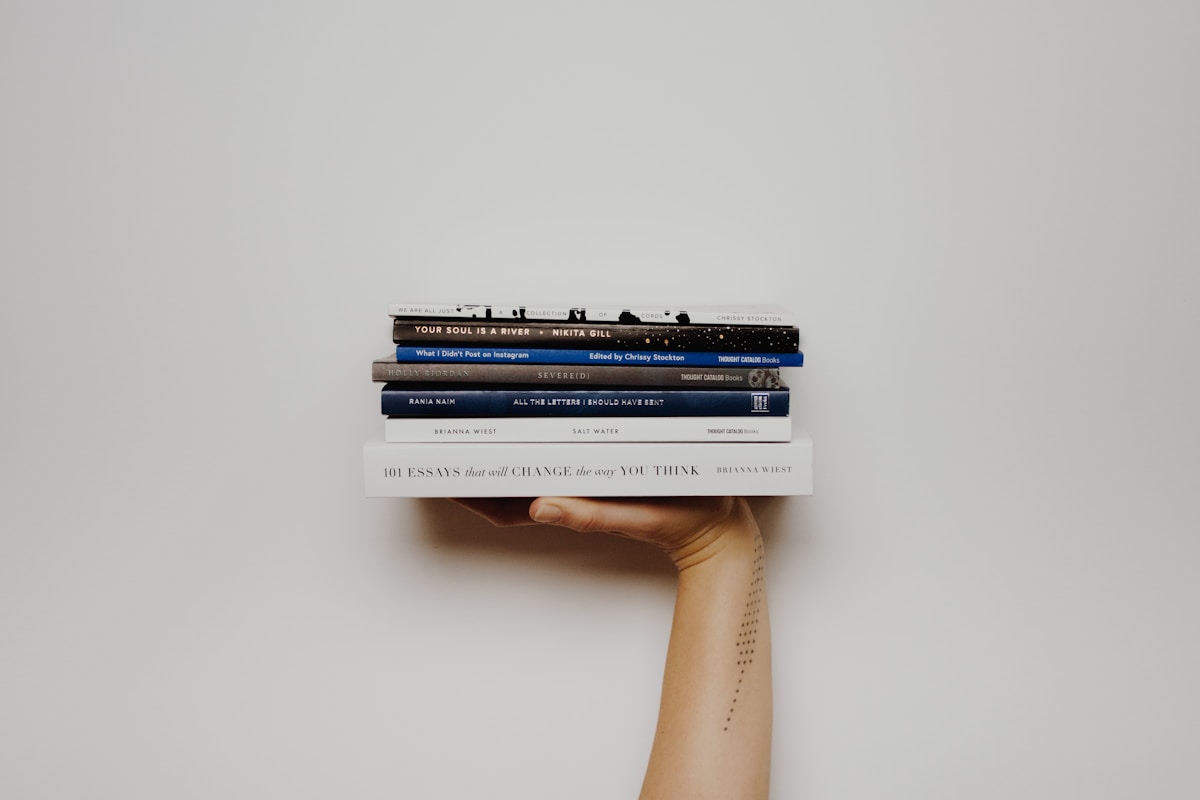
What these platforms share is a design philosophy that refuses to optimize for compulsive scrolling. No infinite feeds. No notifications. No engagement metrics surfaced to the reader. The implicit promise is: come here to finish something.
A Different Kind of Growth
The revival of slow reading isn't a mass movement — it doesn't need to be. What it represents is a segmentation of attention: a portion of the audience actively seeking experiences that the mainstream platforms have optimized away.
This is a design opportunity as much as a cultural one. The publications and platforms that understand this — that treat readerly attention as a gift rather than a resource to be extracted — are building something durable. Loyalty rather than traffic. Readers rather than users.
The paragraph is still alive. And some of us are still finishing them.

